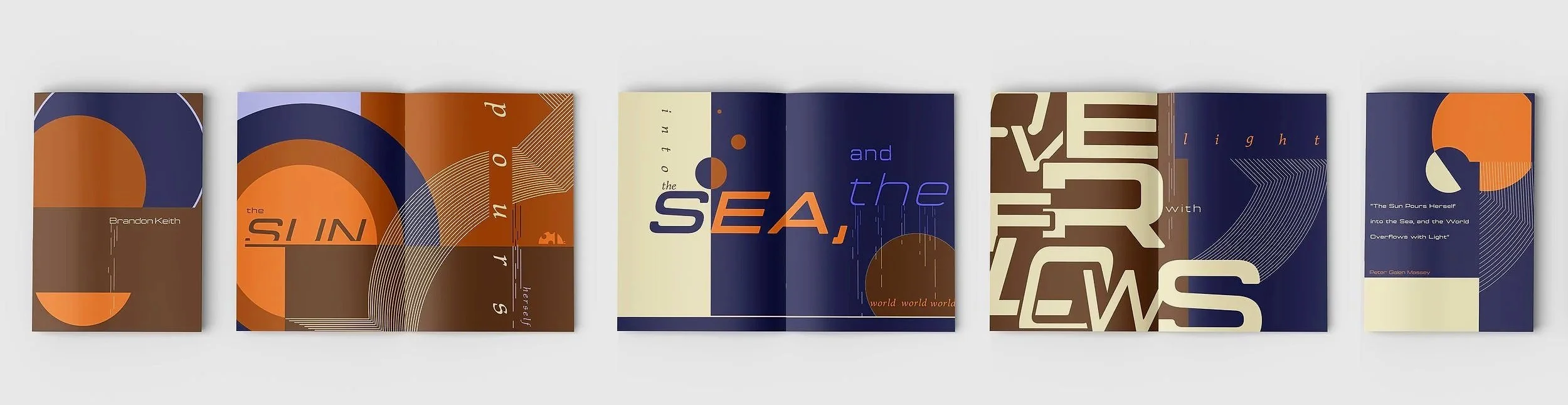
Haiku
Objective
Employ the basis for developing dynamic visual images, compose a non-literal visual and typographic interpretive sequence. Content is to be derived from a traditional three-line Japanese haiku poem.
Selection
I chose my haiku due to the expressive and visual language within it. I was immediately inspired by the author, Peter Galen Massey.
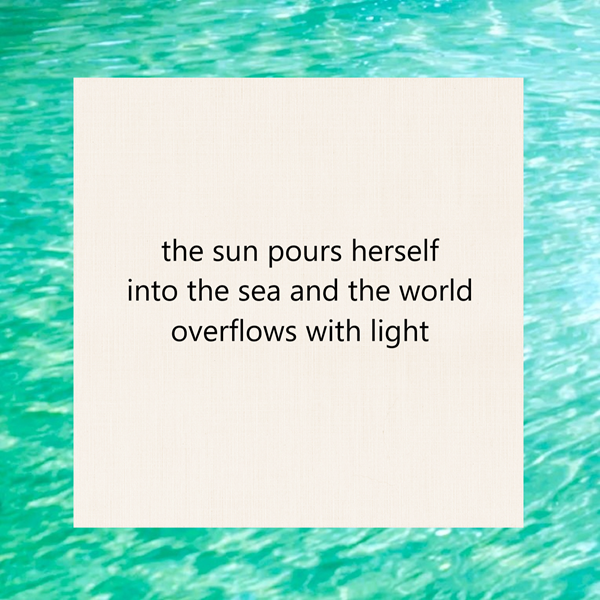
Considerations
Here are some honorable mentions I came across during the research and selection process.
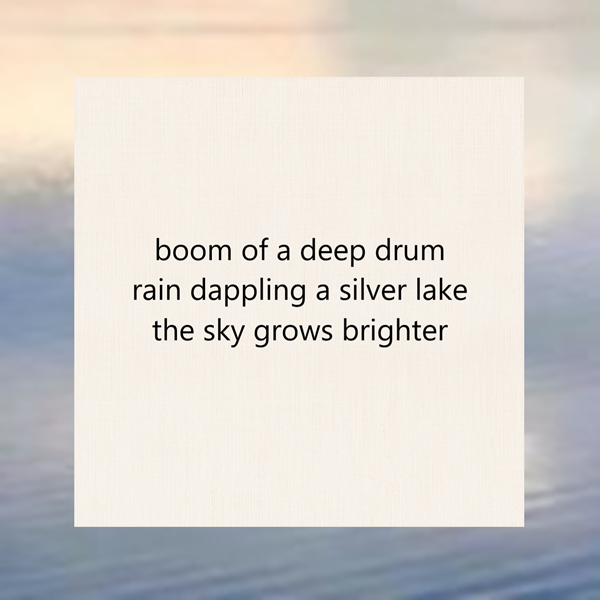
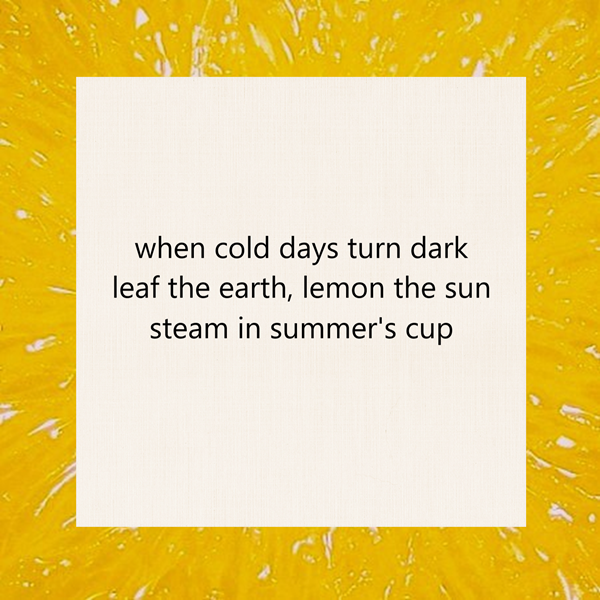
Compositions



Exploring line movements, more contrast on sun
Simplified sun, trying out new forms

Final B/W
Variation in lines added to show movement

Sun
Too visual, lacked intention
Experimenting with size variation and contrast

Composition curated, negative space explored
Juxtaposition is intentional, figure ground reversal used

Composition confirmed, finalizing details

Figure ground reversal, tying in first page lines


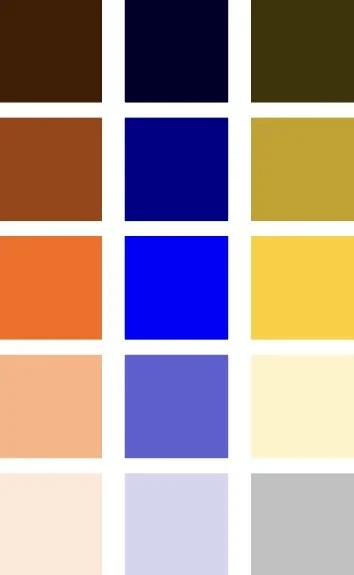
Color Palette

Final colors to work with
Final Haiku Spreads
Composing the designs to personify the text, while not relying on imagery was a very fine line I had to learn to balance on.
The sun was the first thing I worked through. I started off with heavy imagery, but found a middle ground of personification without being an image through iterations.